

Sponsored Post
You can decide to become a marathon runner on a random Tuesday, full of confidence, until you are four minutes into your first run when your lungs burn, your shins ache, and your brain starts negotiating reasons to walk. The gap between wanting to run a marathon and actually building a sustainable running routine can feel massive, and sometimes the hardest part is just getting started. To help, here are some of the best running tips for beginner runners and those starting marathon training for the first time.
Invest in the Right Running Shoes, Not Fashion Trainers
Running in whatever trainers you already own is the single fastest way to develop shin splints or knee pain. Your feet strike the ground roughly 1,400 times per mile, and shoes designed for football, casual wear, or cross-training don’t provide the specific cushioning and support patterns your feet need during repetitive forward motion.
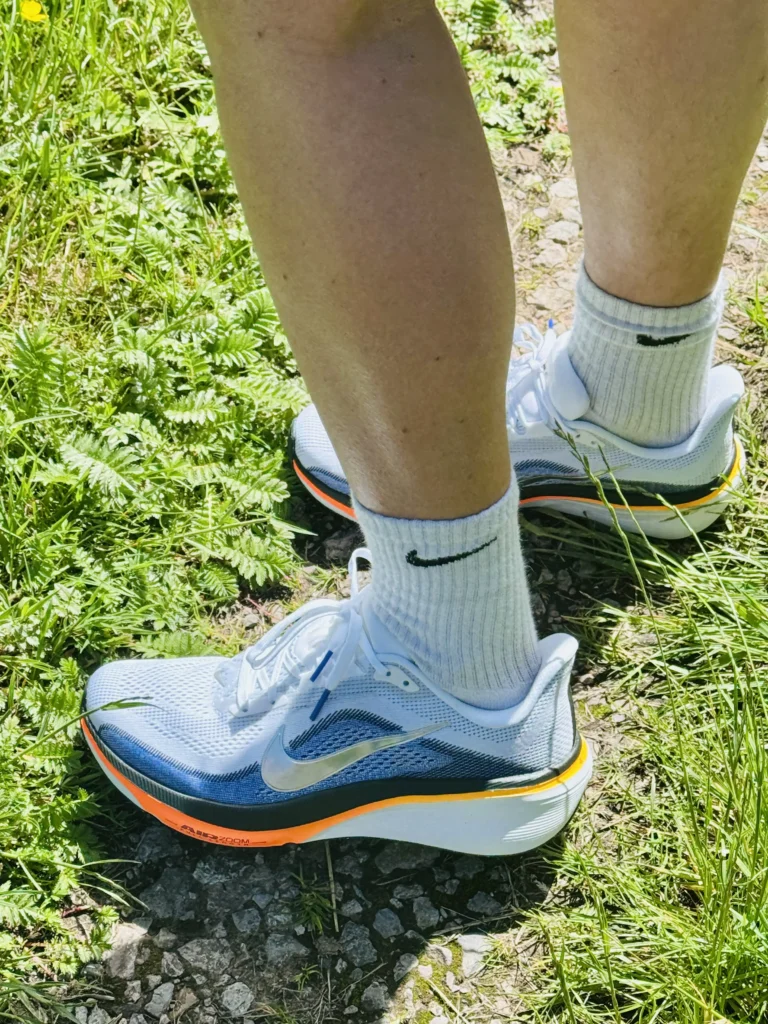
Getting the right running shoes is crucial for injury prevention; running shoes aren’t a luxury purchase—they’re the only essential equipment investment required to start running safely. We particularly like Nike Running Trainers, which come with lots of cushioning and Zoom foam that gives a bouncy feel and makes you feel as though you are running on pillows.
Running shoes break down internally long before they look worn out. Replace them every 300 to 500 miles, which for most beginner runners is roughly every four to six months. Your right running shoes should feel comfortable immediately as you try them on; there is no break-in period for modern running shoes.
Train Smarter, Go Further – Get the Right Kit
Marathon training is about so much more than what happens on race day. Whether you’re lacing up for your first half marathon or chasing a new personal best at the full 26.2 miles, the journey to the finish line is built on countless training runs, recovery days, and early morning miles. That’s why choosing the right kit can truly transform every single run and help you maximise your performance along the way.
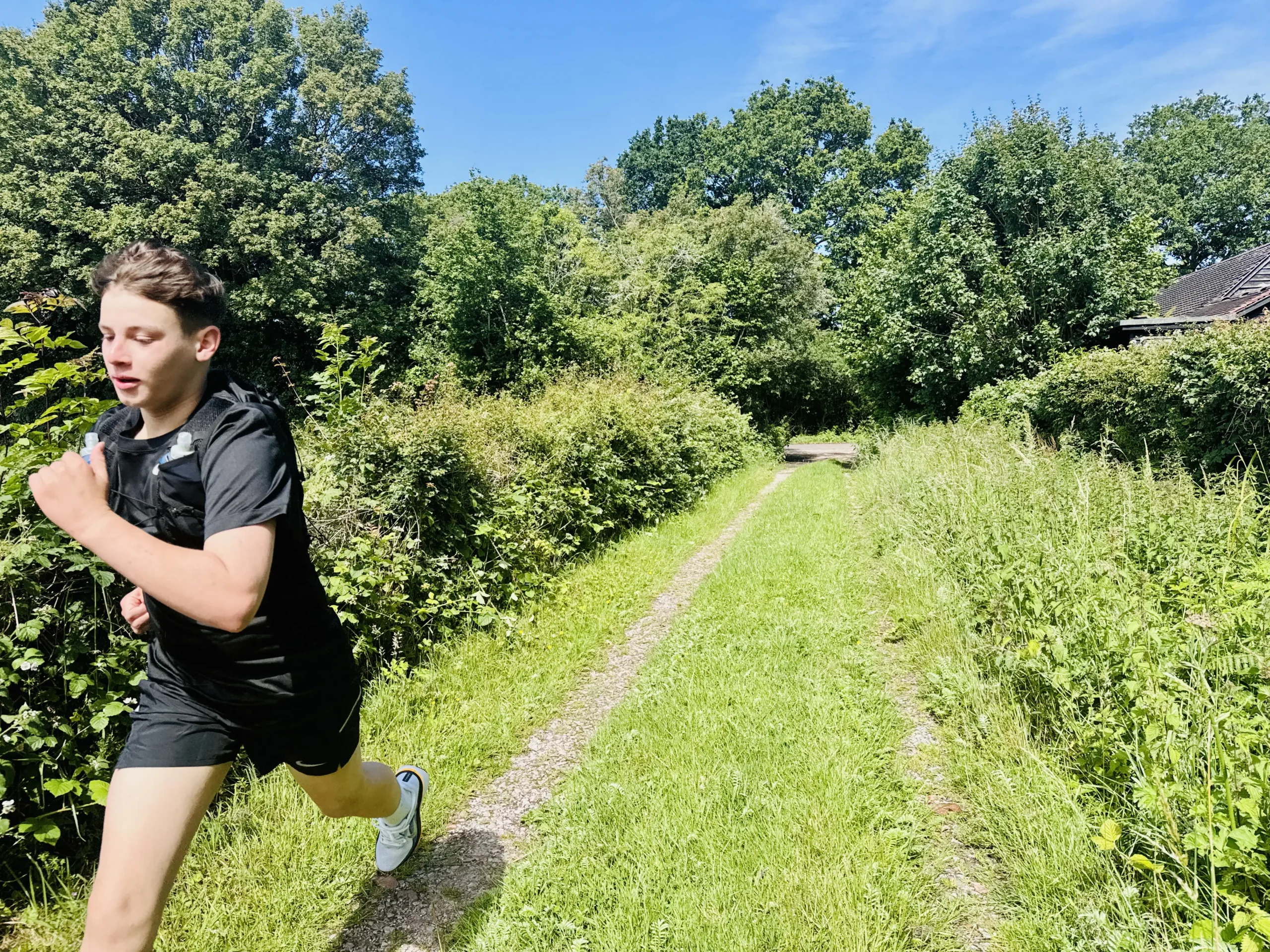
Thoughtfully chosen essentials can elevate your entire training routine while offering great value for your investment. For example, moisture-wicking technical shirts and shorts help regulate body temperature during long runs, while compression socks can improve circulation and reduce muscle fatigue. A quality GPS running watch tracks your pace, distance, and heart rate zones to ensure you’re training at the right intensity. Foam rollers and massage balls aid muscle recovery between sessions, and well-fitted running vests keep your nutrition, hydration, and essentials accessible on those 15+ mile training runs.

Set a Specific Goal That Focuses on Habit, Not Performance
The singular goal that matters most in your first three months is showing up consistently, regardless of pace, distance, or how you feel during the run. Setting realistic goals based on your current fitness level is important for long-term success. This probably looks like three to four runs per week, spaced with rest days. Strategic walk breaks are a proven training method that reduces injury risk, speeds up recovery, and allows you to cover more total distance than you could sustain with continuous running.
Planned walk breaks keep your heart rate in a zone where your aerobic system can actually improve. This is particularly useful for longer distances, such as marathons, as it helps to build an endurance base.
Run for one minute, walk for two minutes, repeat for 20 to 30 minutes total. As you progress, run for two minutes, walk for one minute, repeat for 30 minutes total. Walk breaks also give you mental relief—knowing one is coming in 60 seconds makes the running portion feel manageable instead of endless. This is an easy way to build up your running intervals.
Stop Comparing Your Pace to Anyone Else’s
Every running app, social media feed, and running group exposes you to other people’s paces, and the comparison trap destroys your motivation. Seeing someone post a casual eight-minute-per-mile pace when you’re struggling to sustain 13-minute miles makes you feel slow and incapable. You’re not slow. You’re new. Think of your only competition being the version of you from last week.

Learn to Expect Discomfort, Not Injury
New runners struggle to distinguish between the normal discomfort of adaptation and the warning signs of actual injury, so they either push through real injuries or quit at the first sign of muscle fatigue.
- Normal discomfort: Muscle soreness that spreads across large areas like quads, calves, or glutes. Elevated heart rate and heavy breathing during the run. General fatigue that improves after one or two rest days.
- Injury warning signs: Sharp, localised pain in joints, tendons, or specific points on bones. Pain that gets worse as the run continues instead of fading after a warm-up. Discomfort that lingers for more than three days.
If discomfort goes away within 48 hours, it was normal training stress. If it persists beyond 48 hours or gets worse, you’re dealing with an injury that needs rest or evaluation.
Run at Conversational Pace
It is quite easy when you start to run too fast to get it over with quicker. This logic destroys your aerobic base and prevents your body from adapting efficiently; running at a conversational pace is key for improving your cardiovascular system. Conversational pace means you could speak in full sentences to someone running next to you without gasping for air between words.
Try counting out loud from one to ten whilst running. If you have to break the count into chunks or pause for breath, you’re running too fast. Slowing down also makes running more enjoyable, which keeps you consistent.
Schedule Rest Days Like They’re Part of Your Training Plan
Your human body doesn’t get stronger during the run. It gets stronger during the recovery period after the run when it repairs tissue damage and builds adaptations to handle future stress more efficiently. Rest days are as important as training runs. Running creates microscopic tears in muscle fibres and stresses tendons, ligaments, and bones that need 48 hours to repair and reinforce.
When you run again before those structures recover, you accumulate damage faster than your body can fix it, increasing your injury risk. Rest days don’t mean sitting motionless on your sofa. Active recovery like walking, gentle yoga, or easy cycling promotes blood flow that speeds up muscle repair without adding new stress.

Fuel Your Body Properly
New runners often start running to lose weight, then under-eat because they think creating a massive calorie deficit will accelerate results. This strategy will not work as your body needs carbohydrates to fuel running. Eat a small carbohydrate-based snack 60 to 90 minutes before running. A banana, a slice of toast with jam, or a small bowl of porridge provides enough glycogen to fuel 30 to 45 minutes of running comfortably. Eat within 30 to 60 minutes after your run. A mix of carbs and protein helps replenish glycogen and supports muscle repair.
Add Strength Training
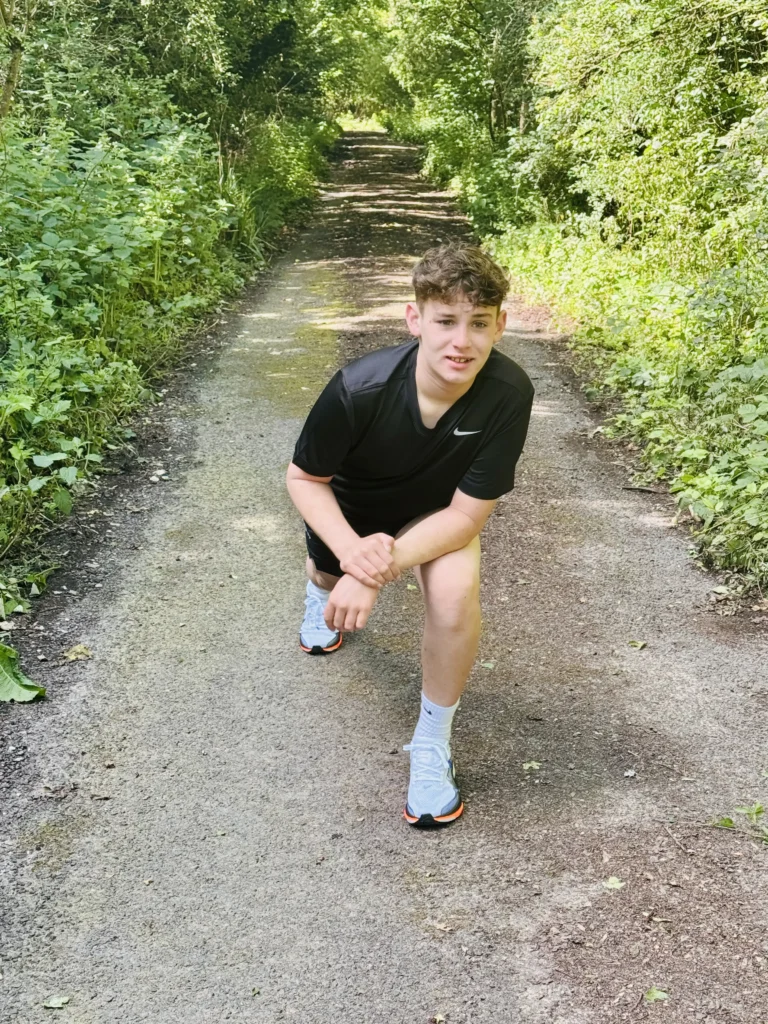
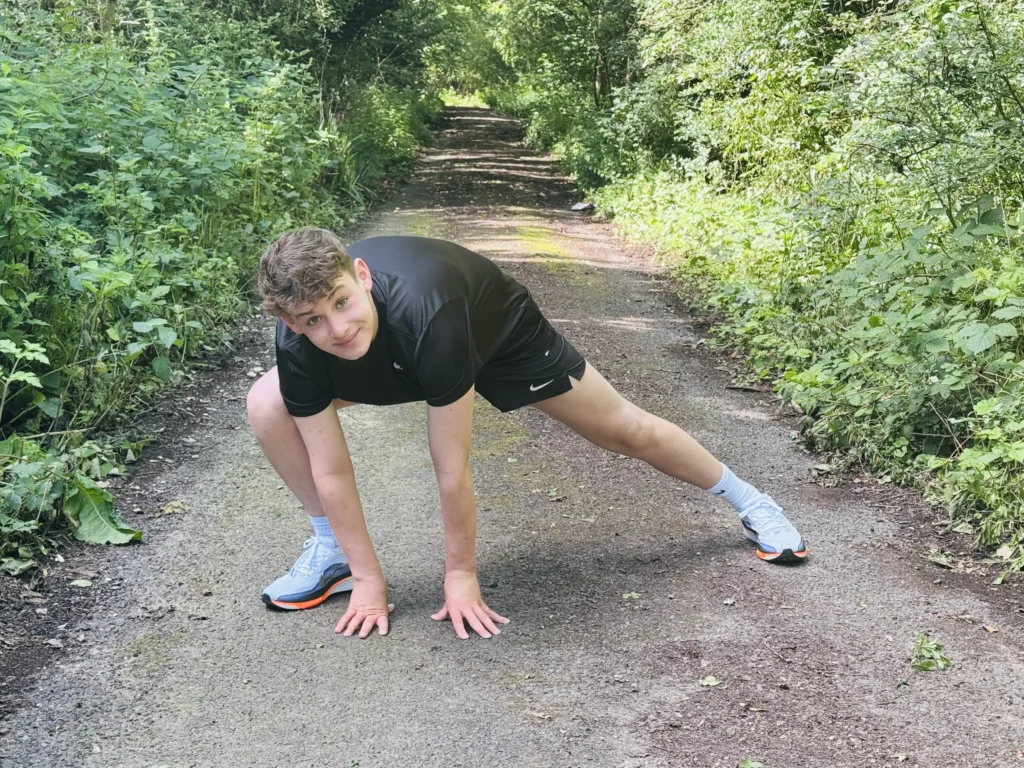
Beginner runners often think running is enough, but adding simple exercises twice a week builds resilience that prevents common injuries. Body-weight exercises that strengthen your glutes, core, and hip stabilisers make you a better runner and reduce injury risk dramatically. This is a good idea for any run program. Dynamic stretches before running prepare your muscles for movement. Leg swings, walking lunges, and high knees for just five minutes increase blood flow and activate the muscles you’re about to use.
Find Your People
Running alone works for some people, but having a running buddy, joining a local running club, or connecting with a running group can offer valuable support. A running partner keeps you accountable on days when motivation is low. Many local running clubs in the UK offer beginner-friendly sessions specifically designed for new runners.
Parkrun is a brilliant free option—5K timed runs every Saturday morning in parks across the country, where walkers and elite runners share the same finish line, and everyone cheers each other on. This is the best place to find your running community.

Keep a Running Log
Training for a marathon often means that progress isn’t linear, that some runs will feel terrible for no clear reason, and that showing up matters more than how fast you go. Consider keeping a running log to track your progress. Your running journey is uniquely yours. There’s no perfect pace, no ideal distance, and no timeline you need to match. There’s just you, a good pair of shoes, and the decision to show up consistently for your next run.