Lifestyle

Take a look at our Lifestyle insights:

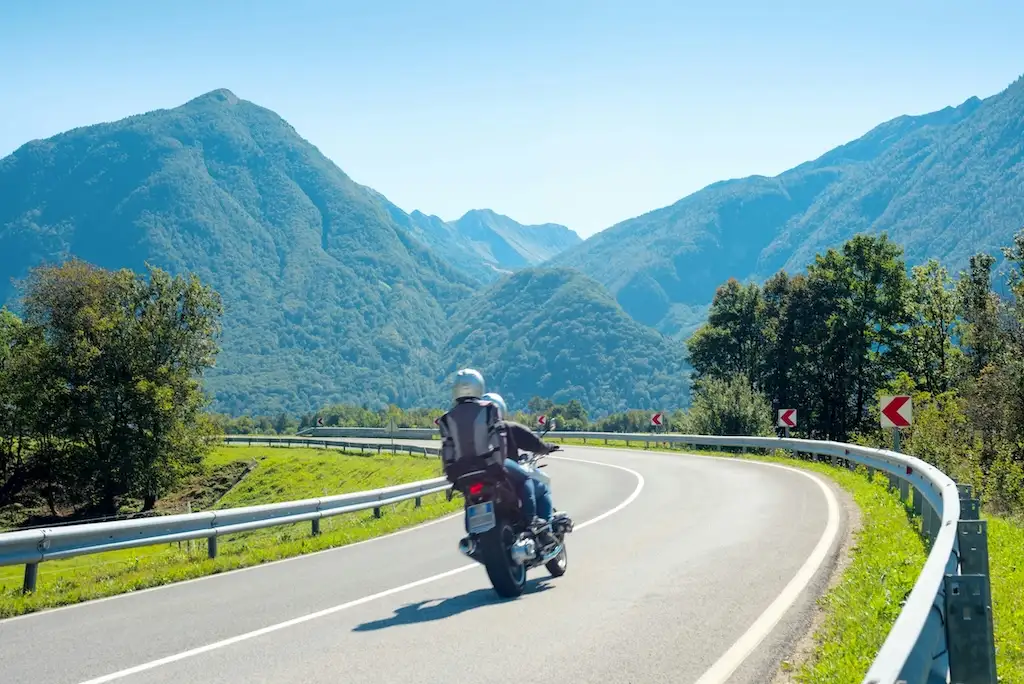
A two-wheeled road trip can turn a familiar stretch of countryside into a proper adventure. You travel close to the landscape, notice the change in temperature as the road climbs and can stop easily when a village café or coastal viewpoint catches your eye. Longer rides do require preparation, though, especially when you’re crossing borders or spending several days away from home. A sensible route, suitable clothing and a well-checked bike will leave you free to enjoy each mile. The Freedom of the Open Road Travelling on two wheels gives you a strong connection to the places you pass through. Smaller roads lead through villages, forests and mountain valleys that can feel distant from busy dual carriageways. Even a short detour may reveal a quiet beach, a family-run bakery or a viewpoint that doesn’t appear in the usual travel guides. That sense of flexibility sits at the heart of many open-road adventures. You can adjust the day around the weather, local events and your energy levels. If a planned mountain route is covered in low cloud, for example, you might follow a lower road and return another day. Freedom still works best within a clear framework. Set a realistic destination for each day and identify several possible stops along the way. This keeps the trip relaxed without leaving you searching for accommodation after dark. Think carefully about the roads you’ll enjoy too. A sweeping coastal route may be memorable, but constant bends and strong crosswinds can make progress slower than expected. A mix of scenic roads and straightforward connecting sections usually creates a more comfortable itinerary. Aim to finish riding well before sunset, giving yourself time to check in, eat and look over the bike before the following morning. Planning Your Journey Start by deciding how many hours you’re comfortable riding in one day. Distance alone can be misleading. Covering 250 kilometres on an open main road may feel manageable, whilst the same distance through mountain passes could take most of the day. Build in a break every 90 minutes or so, even if you don’t yet feel tired. Mark fuel stops, food options and overnight accommodation before leaving. In remote regions, filling stations may close early or operate only on certain days. Download offline maps as a backup because mobile coverage can disappear quickly in valleys and rural areas. Share your route and expected arrival times with someone at home as well. Administrative checks belong near the top of the list. Confirm that your driving documents remain valid for the full trip and review any requirements for the countries you plan to visit. Motorbike owners should also check that their bike insurance provides suitable cover for the proposed route and type of bike. Keep digital and paper copies of relevant documents in separate places. For a longer international route, guides can offer useful ideas about pacing and destinations. Treat suggested itineraries as starting points, then adjust them to your own experience and available time. An extra night in one location often gives you a valuable rest day if the weather turns or the route takes longer than planned. Essential Gear for Longer Rides Pack for protection, comfort and changing conditions. A properly fitted helmet, protective jacket, trousers, gloves and boots form the foundation of your riding kit. Check that everything remains comfortable after several hours, as a collar or seam that feels slightly awkward at home can become distracting during a full day on the road. Layering works well when temperatures vary. A thin base layer, warm mid-layer and waterproof outer clothing take up less space than several bulky items. Keep waterproofs somewhere accessible instead of at the bottom of a tightly packed bag. Weather can change within minutes on exposed roads, and stopping early gives you time to add a layer safely. Useful items for a longer trip include: A small first-aid kit and any personal medicines Water and a few high-energy snacks A tyre pressure gauge and compact repair supplies Charging cables and a portable power bank A high-visibility layer for poor weather Ear protection designed for road use A secure lock and waterproof document pouch Spread the load evenly and secure every bag according to its manufacturer’s instructions. Loose straps can flap in the wind or move towards hot and rotating parts. Put heavier items low and close to the centre of the bike, then take a brief test ride before departure. If the steering or balance feels different, stop and repack. Resist filling every available space. Lighter luggage makes the bike easier to handle and leaves room for food, souvenirs or an extra layer picked up during the trip. Ensuring a Smooth Trip Give the bike a thorough check several days before leaving, which allows time to deal with any faults. Inspect tyre condition and pressure, lights, mirrors, fluid levels, brakes and the drive system. Follow the maintenance guidance in the owner’s manual and arrange professional help if anything seems unusual. Repeat a shorter inspection each morning. Look for fresh leaks, loose luggage or visible tyre damage, then test the lights and controls before setting off. This routine takes only a few minutes and may identify a small issue before it disrupts the day. Your own condition matters just as much. Dehydration, poor sleep and hunger can reduce concentration, so drink water regularly and eat before you feel drained. Stop if your attention begins to wander or you find yourself reacting late to bends and signs. A 20-minute break in a safe location is more useful than pressing on to meet an arbitrary arrival time. Conditions on the day should guide your decisions. Heavy rain, high winds or extreme heat may call for a shorter route or an unplanned overnight stop. Keep one flexible day in the schedule for longer trips. It can absorb a mechanical delay, provide recovery time or let you stay somewhere that deserves more than a quick visit. That single unscheduled day often prevents the rest of the holiday from feeling rushed. Adventures Beyond the Usual Popular routes earn their reputation, but memorable trips often include less obvious places between the headline attractions. Look beyond major cities and search for national parks, heritage railways, local markets and small museums. Routes such as a Basque Country road trip show how coastal roads, smaller towns and scenic detours can become just as memorable as the main destinations. The love of the open road often comes from these unplanned discoveries and the changing scenery between them. Castles can also provide useful focal points for a route. They tend to be located in historically significant towns or dramatic rural settings, with cafés, walking trails and other attractions nearby. Once you arrive, give yourself time away from the bike. A short walk through a historic centre or along a coastal path helps loosen tired muscles and lets you experience more than the road itself. Booking two nights in one place can work particularly well on longer tours, creating space for a local loop without carrying all your luggage. Respect local communities as you travel. Use marked parking areas, keep noise low near homes and follow access rules in protected landscapes. Spending money in independent cafés, shops and accommodation also helps the places that make these routes rewarding. The best final evening is one with no frantic dash to reach the ferry, train or front door. Leave a generous margin for the homeward leg, choose an enjoyable last stretch and let the trip finish at the same measured pace at which it began.

Exploring the World on Two Wheels

This is a collaborative post A two-wheeled road trip can turn a familiar stretch of countryside into a proper adventure. You travel close to the