
This is a collaborative post
A child’s bedroom needs to handle rapid changes in height, hobbies and daily routines. A space that works for a preschooler can feel impractical only a few years later, so it helps to plan beyond the current stage.
Thoughtful furniture, flexible storage and easily changed details reduce the need for expensive room makeovers. Good bedroom organisation can also make school mornings easier by giving clothes, books and supplies predictable places.
Table of Contents
ToggleChoosing Long-Lasting Furniture
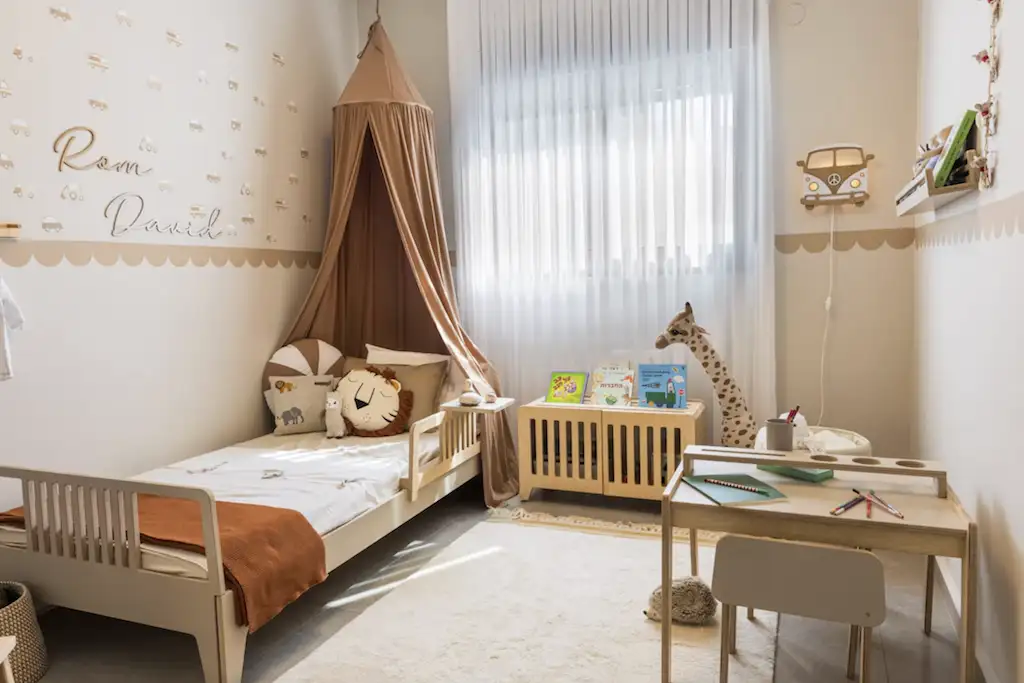
Start with the largest item: the bed. Check the available floor space, measure doorways and think about how long the chosen size will suit your child. A simple frame in wood, white or another neutral finish can work through several decor changes. When comparing options from a bed store, look at mattress support, frame dimensions and any built-in storage instead of choosing on appearance alone.
A sturdy chest of drawers can double as a changing surface during the early years, then provide everyday clothing storage later. Choose bookcases and desks with clean lines so they won’t feel too young as tastes change. Check that drawers open smoothly and inspect fixings periodically as part of your normal room clean.
Smart Storage for Clutter Control
Give each type of item a clear home that your child can reach. Low baskets work well for soft toys, while labeled boxes can separate building pieces, craft supplies and puzzles. Picture labels help younger children tidy independently. As reading skills develop, replace them with written labels without changing the whole storage system.
Use the room’s height carefully. Shelves above adult shoulder level can hold keepsakes and less frequently used items, leaving lower storage available for daily essentials. Under-bed drawers are useful for spare bedding or out-of-season clothes. Review everything every three to six months because children quickly outgrow clothes, books and toys. Keeping one donation bag nearby makes it easier to remove items as soon as they’re no longer needed.
Safe Layouts for Play and Sleep
Place the bed away from windows, blind cords and heaters. Tall furniture should be secured to the wall according to the manufacturer’s instructions, especially if drawers could be used as climbing steps. The furniture tip-over prevention guidance available from safety organisations explains why anchoring dressers and bookcases matters in family homes.
Try to preserve an open area of floor for play, even in a compact bedroom. Position storage around the edges and keep the route between the bed and door clear. A small night-light can help children move safely after dark, while cable clips keep lamp and device cords close to the wall. Recheck the layout whenever you introduce a new piece of furniture since a suitable arrangement can change as the room becomes busier.
Simple Ways to Update Decor
Keep expensive elements neutral and add personality through items that are easy to replace. Bedding, prints, storage baskets and lampshades can reflect a favourite colour or interest without fixing the entire room to one theme. Removable wall decals offer another simple option, though you should test one in a hidden spot first to make sure it lifts cleanly.
Create a small display area where your child can choose what appears. A pinboard, picture ledge or row of clip frames can hold artwork, family photos and certificates. Updating this display gives the room a fresh feel without buying new furniture.
As your child gets older, let them select one or two changes while you keep practical needs in view. A new duvet cover and updated artwork may be enough to turn a younger child’s room into a space that feels right for the next stage.