This is a collaborative post
Craft boxes are brilliant for a rainy afternoon, but most of them end the same way: a finished project on the fridge for a week, then a bin bag of leftover card, glue-covered paper and glitter that cannot be recycled. If you are looking for something the kids can actually finish, and that does not just become more clutter afterwards, growing cards from seed paper is one of the easiest wins going.
SeedPrint, a family-owned printer based in Leicester, makes sheets of recycled paper embedded with wildflower seeds. Kids can draw, stamp or collage on them exactly like ordinary card, and afterwards, instead of going in the recycling, the whole thing gets planted. A few weeks on, actual flowers come up where the card used to be, which for most children is a far more exciting outcome than watching a bin lorry take it away.
Table of Contents
ToggleWhat you need
- Seed paper sheets or pre-made seed paper cards
- Something to decorate with like crayons, water-based paint, stamps or stickers (avoid anything glittery or plastic-heavy, since it will end up in the soil)
- A small plant pot, seed tray or a patch of garden
- Peat-free compost
How to do it
- Decorate first, plant later. Let the kids design their card as normal. Because the paper itself carries the seeds, there is no need to keep decoration away from any particular area, unlike shop-bought seed bombs where you have to protect an embedded section.
- Tear, don’t cut, where possible. Torn edges break down a little faster once planted and give slightly better seed-to-soil contact than a clean scissor cut.
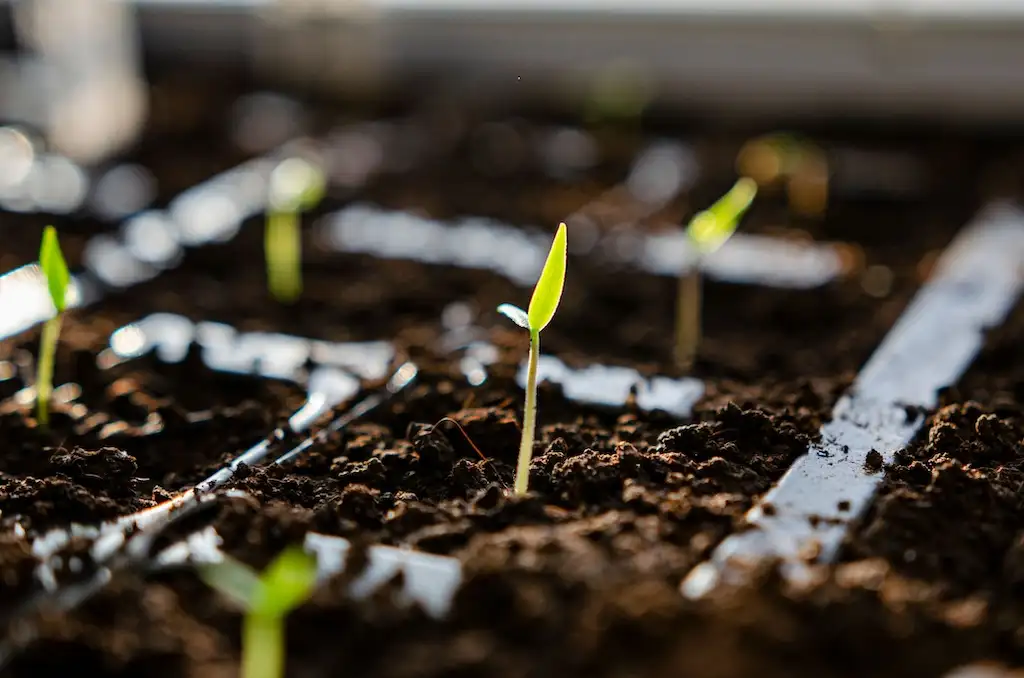
- Plant shallow. Cover the card with about half a centimetre of peat-free compost, keep it somewhere with reasonable light, and water it every couple of days. Seed paper germinates in roughly two to four weeks depending on the seed mix and the season, so it works well as a project the class or family can check back on rather than something finished in one sitting.
- Choose the right moment to plant. Spring and early autumn tend to give the best results in the UK, since summer heat can dry pots out fast and hard frosts will stall germination. If half-term falls in the middle of winter, keeping the pot on an indoor windowsill until the weather turns is worth doing rather than planting straight outside.
“We hear from a lot of parents that this is the first craft activity that doesn’t add to the pile of things they feel guilty throwing away,” says Tom Willday, founder of SeedPrint, whose family has been in the printing trade for four generations. “Kids like it because something actually grows. Parents like it because there’s no clean-up debate about which bin it goes in afterwards.”
Why it is worth doing beyond half-term
Roughly 97% of the UK’s wildflower meadows have disappeared since the 1930s, and a third of wild pollinator species declined between 1980 and 2013, so any small patch of wildflowers, even one that started life as a child’s drawing, is a genuine (if modest) contribution rather than just a nice idea. It is also a good low-cost way to fold a bit of nature and biology into half-term without a day trip: watching seeds germinate is one of the simplest ways for younger children to grasp that plants come from somewhere, rather than a garden centre shelf.
It will not replace a trip to a farm park or a woodland walk, but as a rainy-day activity that produces something other than landfill, it is hard to beat, and considerably cheaper than most craft subscription boxes.
A few ways to extend it
If one card is not enough to fill an afternoon, there are easy ways to stretch the activity. Making a small batch as thank-you cards for grandparents or teachers gives the craft a purpose beyond decoration, and turns “here’s a card I made” into “here’s a card that will grow into flowers for you,” which tends to land rather well with the recipients. For younger children who find drawing on paper fiddly, torn paper collage works just as well and needs less fine motor control. Older kids can be given a specific brief, a card for a particular occasion, a design based on a colour scheme, or a mini competition for whose flowers come up first, which adds a bit of structure to what is otherwise a fairly free-form activity.
It also travels well if you are away for half-term rather than at home. A few sheets of seed paper pack flat in a suitcase far more easily than a full craft kit, and decorating on a rainy day at a caravan or cottage works exactly the same as it would at the kitchen table, with the planting simply saved for whenever you are back near a garden or a pot.