
AD Guest Post
Flower delivery in South Africa connects you to one of the richest floral kingdoms on Earth. The country holds nearly 10% of the world’s known flowering plant species – roughly 24,000 – packed into just 2% of the Earth’s land area. That staggering concentration means a single hike through the Western Cape can reveal more floral diversity than entire European countries contain. Have you ever spotted a king protea on a nature documentary or received a bouquet of bright Cape daisies from a friend in Johannesburg? Understanding the origin and character of South African blooms deepens every encounter with them. This guide walks through the country’s most striking native flowers, explains where and when they grow, and shows how UK residents can bring a piece of the Cape flora into daily life – even through flower delivery in South Africa arranged from thousands of miles away.
Why does South Africa grow so many extraordinary flowers?
Geography drives everything here. The Cape Floristic Region, one of only six recognised floral kingdoms on the planet, covers approximately 90,000 square kilometres across the Western and Eastern Cape provinces. UNESCO designated this region a World Heritage site in 2004 and extended the listing in 2015. Nutrient-poor, sandy soils force plants to develop elaborate blooming strategies, producing vivid colours and unusual shapes to attract specific pollinators.
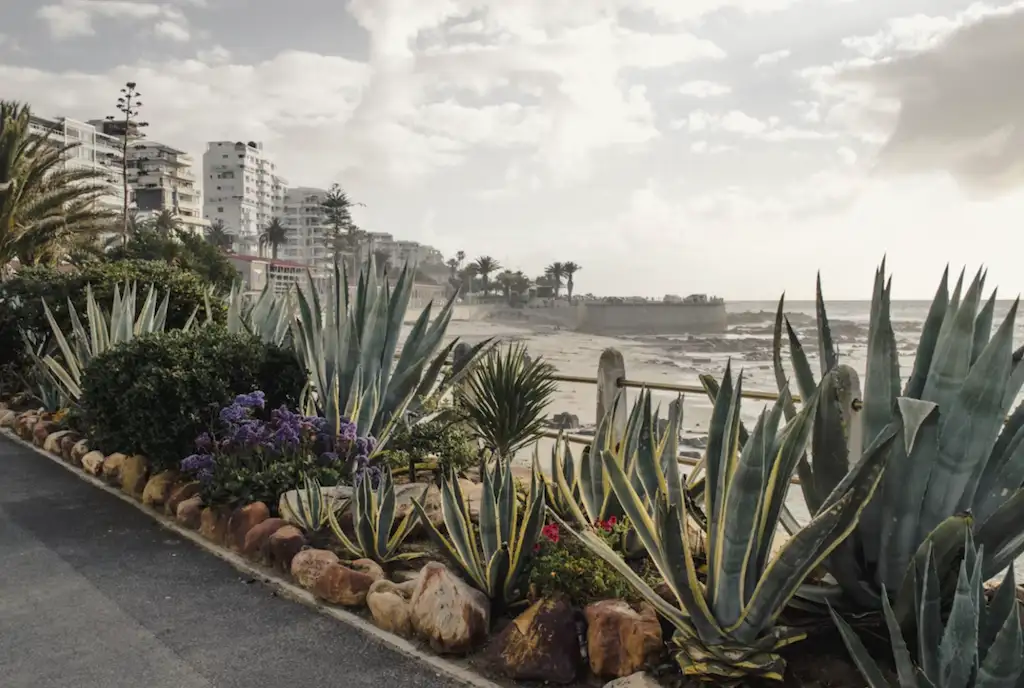
Rainfall patterns matter too. Winter-rainfall zones near Cape Town support fynbos – a shrubby biome containing over 9,000 species, 70% of them found nowhere else. Summer-rainfall regions around KwaZulu-Natal and Mpumalanga nurture different families entirely, from subtropical orchids to flame lilies. The result? A country where something spectacular blooms in every month of the year.
Five native blooms worth knowing by name
King Protea (Protea cynaroides)
South Africa’s national flower grows wild across the fynbos belt, from the Cedarberg mountains to Grahamstown. A single flower head can measure up to 30 centimetres in diameter. The king protea thrives after fire – seeds germinate best in post-burn soil, making the plant a symbol of resilience. Florists worldwide prize king proteas because a cut stem lasts 14 to 21 days in a vase, far outlasting roses.
Bird of Paradise (Strelitzia reginae)
Strelitzia reginae originates from the Eastern Cape coastline, particularly around Port Elizabeth (now Gqeberha). German botanist Johann Franz Seber first described the plant in 1773. Each stem mimics the crest and beak of a tropical bird, which explains the common name. British gardeners often grow strelitzias in conservatories, but the plants rarely reach full size outside subtropical climates.
Cape daisy (Osteospermum)
Osteospermum species blanket the Namaqualand desert each spring – August to September – transforming arid scrubland into vast sheets of purple, orange, and white. The town of Springbok draws over 10,000 tourists annually during peak bloom season. Cape daisies close their petals at night and reopen at dawn. Breeders in the UK have developed frost-tolerant cultivars, so you can now plant them in a south-facing border and expect flowers from May through October.
Pincushion protea (Leucospermum)
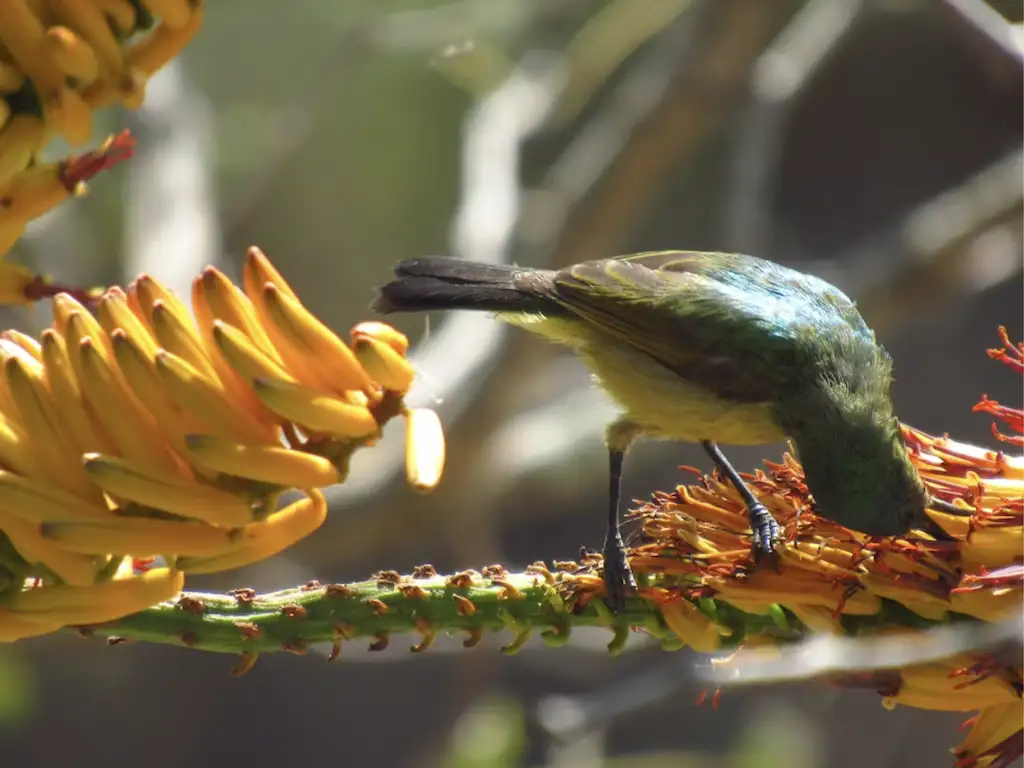
Pincushion proteas grow across 48 known species, almost all confined to the Western Cape mountains. Individual flower heads bristle with slender styles that curve outward, creating the pincushion effect. Cape sugarbirds and sunbirds pollinate Leucospermum exclusively; without these birds, the plants cannot reproduce. Cut pincushions hold their shape for about 16 days, making them a staple of long-lasting arrangements.
Paintbrush lily (Scadoxus puniceus)
Less famous than proteas but equally dramatic, Scadoxus puniceus erupts from forest floors in KwaZulu-Natal between September and November. A dense globe of red-orange florets sits atop a spotted stem, reaching heights of around 60 centimetres. Zulu traditional medicine uses the bulb, though the plant contains toxic alkaloids. Gardeners in mild UK areas – Cornwall, the Channel Islands – have successfully grown paintbrush lilies outdoors in sheltered spots.
Seasonal blooming calendar: what flowers when?
| Season (South African) | Months | Key blooms | Best viewing region |
|---|---|---|---|
| Spring | September – November | Namaqualand daisies, paintbrush lilies | Northern Cape, KwaZulu-Natal forests |
| Summer | December – February | Agapanthus, red-hot pokers (Kniphofia) | Eastern Cape, Drakensberg foothills |
| Autumn | March – May | Nerines, watsonias | Western Cape mountain slopes |
| Winter | June – August | King proteas, ericas, pincushions | Cape Peninsula, Cederberg |
Notice something surprising: South African winter – June through August – coincides with Britain’s summer. A friend in Cape Town could pick wild proteas in July while you enjoy the longest days in London. This seasonal reversal creates interesting possibilities for sending or receiving blooms across hemispheres.
Bringing Cape flowers into a British home
Growing South African plants in UK gardens
The Royal Horticultural Society lists over 40 South African genera as suitable for sheltered UK gardens. Agapanthus africanus, for example, survives temperatures down to –5°C and flowers reliably in London, Brighton, and Bristol. Kniphofia varieties – often called red-hot pokers – tolerate most UK soils and bloom from late June through September.
Hardy nerines (Nerine bowdenii) work brilliantly against a south-facing wall. Plant the bulbs in April with the neck just above soil level, and expect pink blooms by October. I’ve seen stunning clumps in cottage gardens around Devon that look entirely at home beside English lavender.
Ordering native South African blooms from abroad
Growing proteas in Manchester isn’t realistic. The fynbos microclimate simply doesn’t exist in northern England. But UK-based services now connect customers with South African florists who hand-tie bouquets featuring king proteas, leucadendrons, and pincushions, then deliver same-day across cities like Cape Town, Johannesburg, Durban, and Pretoria. Petal & Post, a South African flower delivery service, for instance, requires orders before 15:00 SAST for same-day dispatch.
Sending blooms to someone in South Africa from the UK involves fewer complications than you might expect. International florist networks coordinate with local artisans who source farm-fresh stems, bypassing lengthy air freight. The recipient gets flowers that still carry morning dew rather than stems that spent 48 hours in a cargo hold.
What competitors miss: the cultural weight of South African flowers
Most florist websites list products by occasion – birthday, sympathy, anniversary – without explaining the cultural significance of the flowers themselves. That gap matters.
- Proteas carry political symbolism: the South African cricket team wears the king protea on their crest, adopted after the democratic transition in 1994.
- Strelitzias feature on the old 50-cent coin, minted between 1965 and 1990.
- Namaqualand daisy season drives an eco-tourism industry worth an estimated R80 million annually to the Northern Cape province.
- Ericas (Cape heaths) number over 700 species in South Africa – more than the rest of the world combined.
- Gladiolus, popular globally as a cut flower, has its centre of diversity in the Western Cape, with 166 species recorded.
Understanding these details elevates a bouquet from a pretty gesture to a meaningful one. When you send king proteas to a South African friend, you’re acknowledging a national emblem. When you choose strelitzias, you’re referencing a botanical history that stretches back to the 1770s.
Quick tips for choosing South African flowers as gifts
Proteas dry beautifully. Stand them upright in an empty vase after the water evaporates, and the flower head preserves its shape for months. Mixed fynbos bouquets – combining leucadendrons, blushing brides (Serruria florida), and ericas – last longer than purely rose-based arrangements because fynbos stems evolved to retain moisture in dry conditions.
Timing your order around the recipient’s local season makes a difference too. A midsummer delivery in January (South African summer) means agapanthus and kniphofia arrive at peak freshness. A July delivery catches the Western Cape’s protea season at its finest.
A parting thought – and a next step
I keep coming back to one fact: 24,000 species. That number puts South Africa’s floral heritage on par with countries ten times its size. Most of us in Britain encounter these flowers only as cut stems in supermarket bunches, stripped of context. Knowing where a protea grows wild, why a pincushion curves just so, or what drives the Namaqualand daisy explosion each spring – this contextual knowledge turns every bunch into a story.
Curious to explore what South African blooms look like in a hand-tied bouquet, delivered fresh to a doorstep in Johannesburg or Cape Town? Browse arrangements featuring native South African flowers and see which stems catch your eye. The Cape flora has had millions of years to perfect its art. We just get to enjoy the result.