

AD Guest Post
The Galapagos Islands. That name alone conjures up images of giant tortoises, blue-footed boobies, and marine iguanas, unlike anywhere else on Earth. For many travellers, the dream itinerary involves a Galapagos liveaboard diving experience, getting you up close to the incredible endemic wildlife, both above and below the surface. But then you see the price tags, and that dream can feel like it’s quickly sinking. A liveaboard in Galapagos is indeed a significant investment, often perceived as a luxury reserved for the ultra-wealthy. This perception, however, doesn’t tell the whole story. I’m here to tell you that with savvy planning, strategic booking, and an understanding of the boat classes, this extraordinary journey is absolutely achievable without emptying your savings account. Choosing your first liveaboard boats in Galapagos on a tight budget isn’t about compromising the magic; it’s about optimising value—making sure every dollar gets you the best possible wildlife encounter—the secret lies in distinguishing between luxury amenities and essential experience.
Decoding Liveaboard Categories and Costs
The Galapagos National Park maintains a mandatory classification system for all operating vessels: Tourist Class, Tourist Superior, First Class, and Luxury. Understanding this structure is the key to cracking the budget code. When you see those jaw-droppingly high prices, you are usually looking at the First Class or Luxury ships, which offer expansive suites, gourmet dining, and extras like private balconies or hot tubs. They are stunning, but their price is driven by the amenities, not necessarily the quality of the wildlife encounters, which are highly regulated for all boats. Our focus, as budget-conscious travellers, must be on the Tourist and Tourist Superior vessels. These Galapagos liveaboards, while older and smaller, still provide the essential components: a safe bunk, sufficient food, and, most importantly, a licensed naturalist guide and access to all the official visitor sites. Why pay for a floating palace when all you truly need is a functional home base for incredible daily excursions?
Focused Choice: Tourist Superior Class as the Budget Sweet Spot
When navigating the world of Galapagos liveaboards, I recommend setting your sights on the Tourist Superior class. Think of it as the comfortable economy option—it’s where you maximise value for money. While Tourist Class is the absolute cheapest, it often means shared bathrooms, potentially less reliable equipment, and very cramped common areas. The step up to Tourist Superior usually secures you a private, albeit small, en-suite bathroom, air conditioning, and a slightly more spacious dining area. It’s the difference between feeling like you’re roughing it and feeling like you’re on a proper, if modest, vacation. This minimal investment ensures a better night’s sleep and a more pleasant experience between excursions, which is crucial when spending a week on a boat. It avoids the discomfort that can detract from the wonder of a truly incredible Galapagos diving liveaboard trip.
Strategic Planning: Timing and Booking Tactics
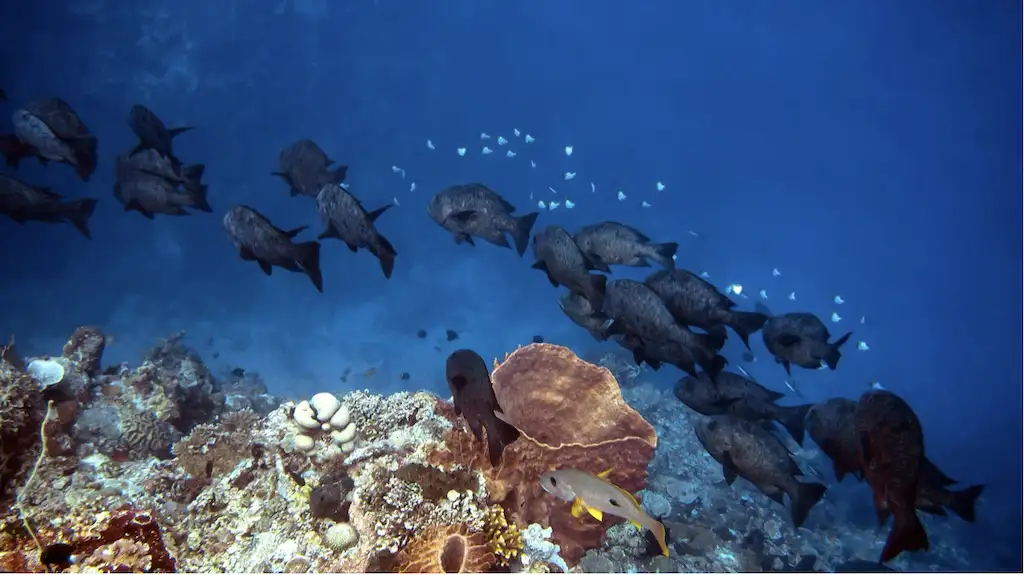
You can shave a serious chunk off the advertised price by being strategic about when you travel. Peak season, aligning with major holidays and the calm, sunny cruising months (June-August, December-January), sees premium pricing. Conversely, the “shoulder seasons” (April-May and September-October) and the actual low season (often February and early December) offer significantly lower rates. Sure, the water in September might be cooler, but that also means the Humboldt Current is stronger, which brings up nutrients and attracts massive amounts of marine life, making it a prime time for a liveaboard diving in Galapagos experience. Beyond timing, consider your booking method. Booking a year in advance guarantees your spot, but chasing reputable, last-minute deals (within 4-8 weeks of departure) from agents in Ecuador can save you 20-50% off the rack rate, as boats look to fill empty cabins. It requires flexibility, but the savings are real.
Itinerary Length and Value Assessment
When evaluating your budget for diving liveaboards in Galapagos, you might initially lean towards the shortest possible cruise—the 4-day option. However, short cruises are often the least cost-efficient per day. The actual value usually lies in the 8-day liveaboard dive trips in Galapagos. Why? Because the expensive, one-time costs—like the flight to the islands and mandatory fees—are spread out over a longer period.
Furthermore, the 8-day itineraries typically visit the more remote, spectacular islands like Darwin and Wolf, which are the true jewels for a Galapagos scuba liveaboard. These remote sites are inaccessible to shorter cruises, meaning you are paying more per day on a short trip for a less varied, less comprehensive experience. Think of the more extended trip as a bulk discount on paradise.
Hidden Costs and Essential Vetting
A low headline price on a liveaboard can be a siren song, luring you in before you get hit with mandatory fees that quickly balloon the total cost. This is where vigilance pays dividends. You must look beyond the nightly rate and factor in all potential costs that aren’t expressly included. What does “all-inclusive” actually mean on a budget boat? It often excludes things you assume are covered, turning a good deal into an average one, or worse. Diligence is your fantastic tool against budget creep.
The Mandatory Financial and Safety Checklist
Before committing to any liveaboard option, you need to have ironclad clarity on these five points. This is your insurance policy against nasty surprises.
Essential Checks:
-
- Clarify all mandatory extra fees: the Galapagos National Park entrance fee ($100, though divers sometimes pay $200) and the Transit Control Card ($20) are rarely included in the initial cruise price. Budget for this immediately.
- Determine the cost of all rental equipment, specifically wetsuits and snorkelling gear, which may not be included on budget boats. Do they charge for tanks?
- Verify the guide’s certification level: All budget boats must have a Level 2 or Level 3 guide for the best educational experience and itinerary management. An excellent guide is non-negotiable.
- Confirm the boat’s license, insurance, and compliance with the Galapagos National Park Directorate (GNPD). A budget deal is not worth risking your safety on a non-compliant vessel.
- Establish the expected tips/gratuities for the crew and guide, as this is a significant, mandatory expense often overlooked in the initial budget—typically 10-15% of the cruise cost.
Conclusion: Making the Budget Dream a Reality
Getting on a fantastic liveaboard in Galapagos does not require a blank check. The core strategy is simple: look past the glossy brochures of the luxury liners and focus on the superior value offered by the Tourist Superior class. Be flexible with your travel dates to capitalise on shoulder season pricing, and always calculate the actual cost per day—you may find the longer trip is the better deal. Most importantly, you must be meticulous in checking those hidden costs. Once you’ve secured a safe, licensed boat and accounted for all the fees, the minor trade-offs in cabin size or dining choice will instantly fade away when you’re eye-to-eye with a hammerhead shark or watching a marine iguana graze underwater. You will realise the experience itself—the unparalleled wildlife and the sense of stepping into a world untouched by time—is the only luxury that genuinely matters.