
This is a collaborative post
Solar panels have become an amazing energy solution, as homeowners are looking for ways to lower energy costs while minimising their environmental impacts. While it seems like an obvious choice on paper, many homeowners need to carefully evaluate whether switching is really worth their while before jumping on the bandwagon. In this blog, we will look at some of the things you should consider before making this important decision for your homes.
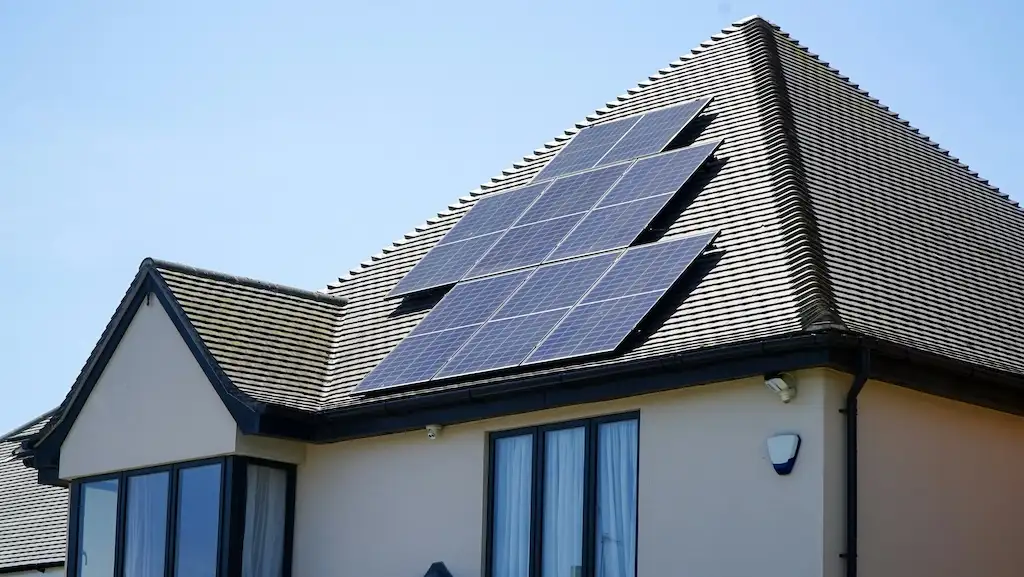
The Green Glow-Up: Environmental Benefits of Solar Panels
One of the main draws of solar panels is their ability to produce clean and renewable energy, unlike fossil fuels, which release harmful greenhouse gases into the atmosphere. Being able to harness solar power for household needs, homeowners contribute towards combatting climate change while decreasing reliance on non-renewable energy sources such as electricity or natural gas. It’s an eco-friendly choice that reduces your carbon footprint while aligning your efforts with the global sustainability efforts, making solar a win-win scenario financially and ecologically.
Counting the Savings: Are Solar Panels Worth the Investment?
Solar panels can lead to a lot of reductions in electricity bills once installed, especially for homes that consume higher amounts during daylight hours. Many countries provide incentives such as the Smart Export Guarantee (SEG), which allows homeowners to sell excess solar energy back into the grid. This also helps offset the initial installation costs over time. Though their promise of lower bills are very attractive, but it’s important that you look at factors like location, roof space availability, and sunlight availability before making this investment decision.
The Upfront Price Tag: Installation Costs and Maintenance
Solar panels can be an expensive investment, and the initial costs can cause potential buyers to choke on their tea. Equipment, installation costs, and any necessary upgrades to the electrical system can easily run into the thousands. However, there are grants and financing options that exist, but it might only be applicable for certain households. Although solar panels tend to require little upkeep on an ongoing basis, occasional servicing visits or replacing inverters could incur long-term costs that make homeowners wary; especially for those that are looking for immediate financial gains.
Does Your Roof Make the Cut?
Not all homes are suitable for solar installation. Roof type, orientation, and shading play an important part in determining if it will work or not. South-facing roofs with minimal shade is normally the standard, while north-facing or heavily shaded roofs may not generate enough energy to justify installation costs. Older roofs may require structural updates before installing solar panels. Homeowners considering solar should talk to a professional to assess the feasibility and energy output before proceeding with the installation.
Conclusion
Deciding whether or not to invest in solar panels requires careful consideration, taking into account a number of variables. Solar energy is undoubtedly one way to create a better and greener future, yet to reap all its potential, it must first fit with your home and lifestyle before considering installation as an investment option. For homeowners who are committed to long-term energy solutions and who value sustainability, investing in solar power may be worth getting into. But prospective buyers must weigh the costs, location, energy needs, and financial implications prior to making any definitive decisions. When making this type of change, it’s important that financial sense and environmental responsibility come together as they work hand in tandem.