This is a collaborative post
Our pets are cherished family members, bringing endless joy, laughter, and companionship into our homes. As owners, we want to give them the happiest and healthiest life possible. While trips to the park and cuddles on the sofa are wonderful, their day-to-day well-being at home relies on a foundation of routine, good nutrition, and a stimulating environment. This guide offers simple, practical advice to help you ensure your four-legged friend is thriving.
Table of Contents
ToggleDaily Routines for Content Canines
Dogs are creatures of habit, and they find immense comfort and security in predictability. Establishing a consistent daily schedule helps reduce anxiety and prevent behavioural issues that can stem from uncertainty. When your dog knows what to expect and when, they can relax instead of constantly wondering what’s next. These essential pet lifestyle routines are the building blocks of a calm and happy household.
Try to keep key activities at roughly the same time each day:
- Mealtimes: Feed your dog their breakfast and dinner at consistent times. This helps with their digestion and sets a rhythm for their day.
- Walks and Potty Breaks: Regular walks are crucial for physical exercise and mental stimulation. A morning walk helps them burn off energy, while an evening stroll provides a great wind-down. Predictable potty breaks, especially for puppies and senior dogs, can prevent accidents in the house.
- Playtime: Dedicate specific times for play. This focused interaction strengthens your bond and signals to your dog that they have your undivided attention.
- Downtime: Rest is just as important as activity. Ensure your dog has quiet periods during the day to nap and recharge without being disturbed. A routine bedtime also helps the entire household settle down for the night.
Nutrition and Treat Choices
What you put in your dog’s food bowl directly impacts their energy levels, coat health, and overall longevity. Choosing the right food can feel overwhelming with so many options available, but the key is to select a high-quality diet appropriate for your dog’s age, breed, and activity level. A growing puppy has different nutritional needs than a senior dog, just as a high-energy spaniel requires a different diet from a less active bulldog.
Always read the ingredients list on the food packaging. Look for a named protein source, like chicken or lamb, as the first ingredient. Try to avoid foods with a lot of fillers like corn or non-specific “meat by-products.” If you’re unsure what’s best, your vet can provide recommendations tailored to your specific pet.
While it’s tempting to share your own food, many human foods are unhealthy or even toxic for dogs. Items like chocolate, onions, grapes, and raisins are dangerous. Instead, opt for healthy, dog-specific treats. You can use small pieces of cooked chicken, carrots, or apple slices as a low-calorie reward during training. And never forget the most important nutrient of all: fresh, clean water. Ensure your dog’s water bowl is always full and cleaned daily to encourage proper hydration, which is vital for every bodily function.
Regular Health Checks Matter
Preventative healthcare is one of the most important aspects of responsible pet ownership. Regular check-ups with your vet can catch potential health issues before they become serious problems, leading to better outcomes and often lower treatment costs in the long run. These visits are the perfect time to ensure vaccinations are up to date and to discuss any concerns you have about your dog’s diet, behaviour, or overall health. Unexpected vet bills can be a worry for any family, but having a policy like Purely Pets Dog Insurance can help cover costs for accidents or illnesses, allowing you to focus on getting your companion the best care.
In addition to professional vet care, you can perform simple health checks at home. Gently check your dog’s ears for redness or odour, look at their teeth for plaque build-up, and run your hands over their body to feel for any unusual lumps or bumps. Getting your dog used to having their paws, ears, and mouth handled from a young age will make these checks, and future vet visits, much less stressful for everyone involved.
Enriching Their Environment
A bored dog is often a destructive dog. Without enough mental stimulation, dogs may resort to chewing furniture, digging in the garden, or barking excessively to entertain themselves. Enriching their environment with activities that engage their brain is just as important as physical exercise for keeping your dog happy and well-behaved.
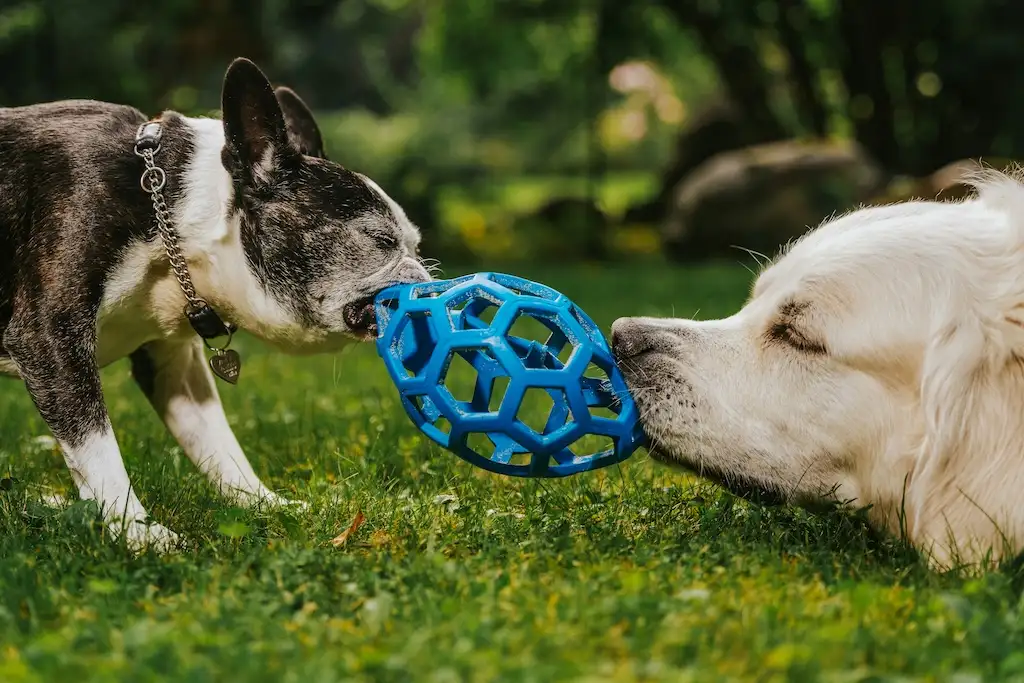
Puzzle toys and treat-dispensing balls are fantastic for making mealtimes more interesting. Instead of just eating from a bowl, your dog has to work to get their food, which mimics their natural foraging instincts. Snuffle mats, which are fabric mats where you can hide treats, are another great way to engage their powerful sense of smell.
Short, fun training sessions throughout the day can also provide excellent mental exercise. You can work on basic commands like ‘sit’ and ‘stay’ or teach them fun new tricks. Even a simple game of “find it,” where you hide a treat and encourage your dog to sniff it out, provides a great mental workout. Finally, ensure your dog has a safe and comfortable space of their own, like a cosy bed or a crate in a quiet corner where they can retreat and relax when they need some alone time.
Understanding Pet Body Language
Our dogs can’t tell us how they’re feeling with words, but they communicate constantly through their body language. Learning to read these signals is crucial for understanding their needs, building trust, and strengthening your bond. A happy, relaxed dog typically has a loose, wiggly body, a gently wagging tail, and soft, relaxed ears.
Conversely, signs of stress or fear can be subtle. A dog that is feeling anxious might tuck its tail, hold its ears back, yawn when not tired, or lick its lips repeatedly. Recognising these early warning signs allows you to remove your dog from a situation before their anxiety escalates. For example, if you notice your dog showing these signs when a visitor tries to pet them, you can politely intervene and give your dog some space.
Understanding these cues helps you advocate for your pet and ensures their interactions with the world are positive ones. It’s a key part of daily care routines for pets that goes beyond just feeding and walking. When your dog learns that you understand and respect their signals, it deepens their trust in you as their protector.
Focusing on these key areas helps you create a home environment where your pet doesn’t just live, but truly thrives. These small, consistent efforts are the best way to thank them for the unconditional love they give us every day.