
Collaborative Post
Life changes quickly once children arrive. Daily routines shift, priorities change, and spare time becomes rare. Household maintenance often slips down the list as parents focus on feeding schedules, school runs, and sleep deprivation. Even so, regular upkeep matters more than ever once children live in the home. Maintenance routines support safety, cleanliness, and calm in ways that directly affect family life.
Table of Contents
ToggleWhy planned maintenance matters with children at home
Parents naturally focus on safety. Homes need regular checks to stay safe places for curious children. Planned preventive maintenance – PPM – helps spot problems early. Loose fittings, ageing appliances, and minor leaks can create risks if left alone.
Routine inspections allow parents to fix issues before they cause harm. A steady approach to maintenance reduces the chance of accidents and avoids last-minute emergencies.
Keeping a healthy living environment
Children spend a lot of time close to floors, walls, and soft furnishings. Dust, damp, and poor air quality affect them more quickly than adults. Regular cleaning helps control these risks and keeps homes comfortable.
Moisture problems deserve particular attention. Damp areas can encourage mould growth, which affects air quality and surfaces. Some households turn to mould removal services when issues appear, but routine checks and good ventilation help prevent problems from returning.
Pest control also links closely to cleanliness. Crumbs, clutter, and hidden mess attract insects and rodents. Regular vacuuming and cleaning reduce these risks and keep the home healthier.
Organisation makes family life easier
Organisation supports both parents and children. Clear spaces make daily routines smoother and reduce frustration. When items have set places, mornings feel calmer and evenings feel less rushed.
Children learn through example. When parents follow simple routines for tidying and upkeep, children copy these habits. Small tasks like putting toys away help build responsibility over time.
Maintenance routines as learning moments
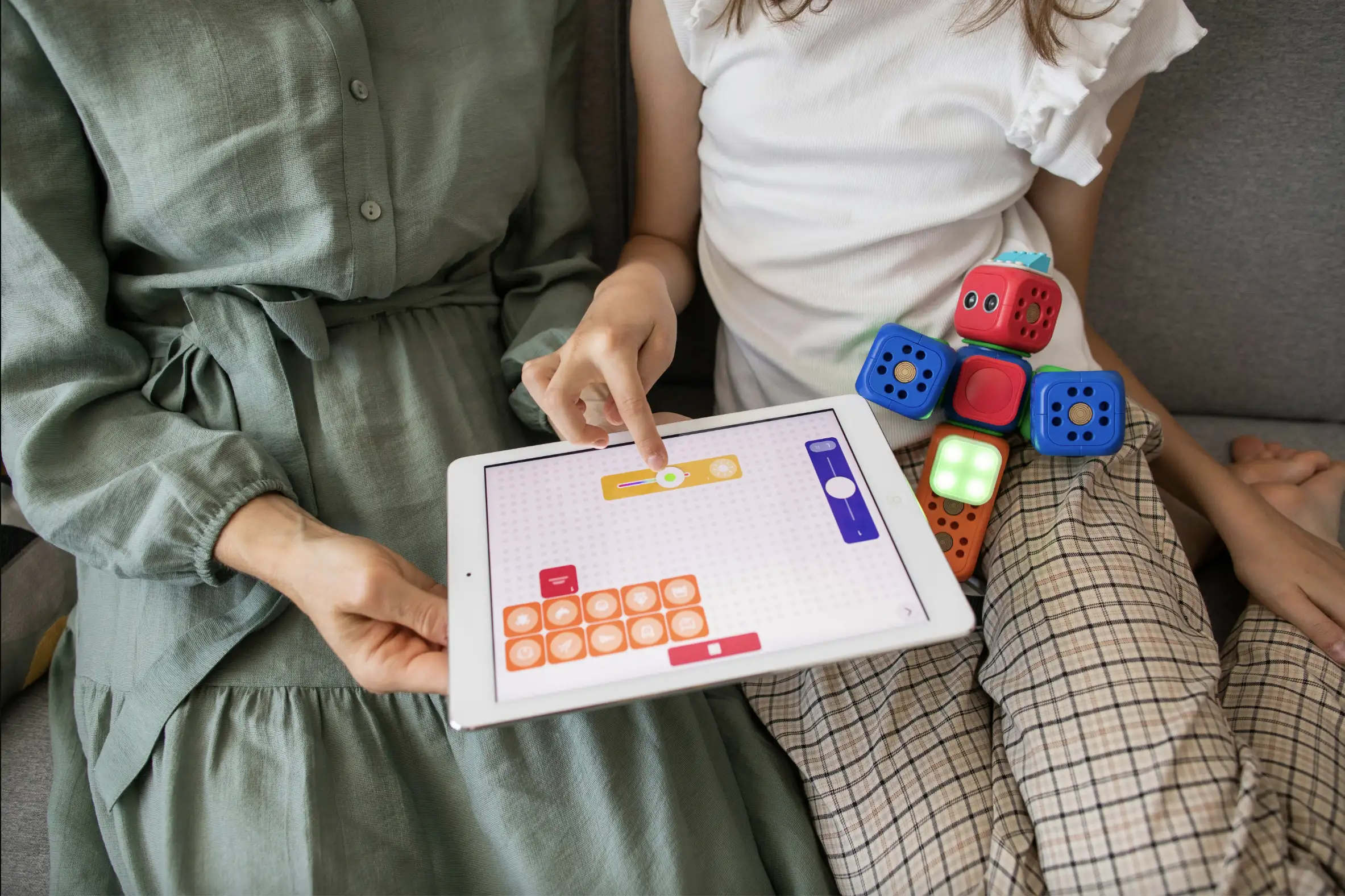
Household tasks offer chances to teach practical skills. Gardening shows children how plants grow and need care. Cooking introduces basic maths and science through measuring and timing. Simple chores improve coordination and confidence.
Including children in age-appropriate tasks turns maintenance into a shared activity rather than a burden. These moments help children understand effort and care.
Protecting the home long term
Regular upkeep protects the home itself. Minor repairs cost less than major fixes. Addressing issues early prevents damage from spreading. This approach supports the property’s long-term condition and value.
Families benefit from homes that feel reliable and well looked after. Predictability matters when daily life already feels busy.
Conclusion
Household maintenance routines take effort, especially with children. Even so, they support safety, health, and stability in everyday life. Small habits make a real difference over time.
With planning and shared responsibility, maintenance becomes manageable. The result is a home that supports family life rather than adding stress.