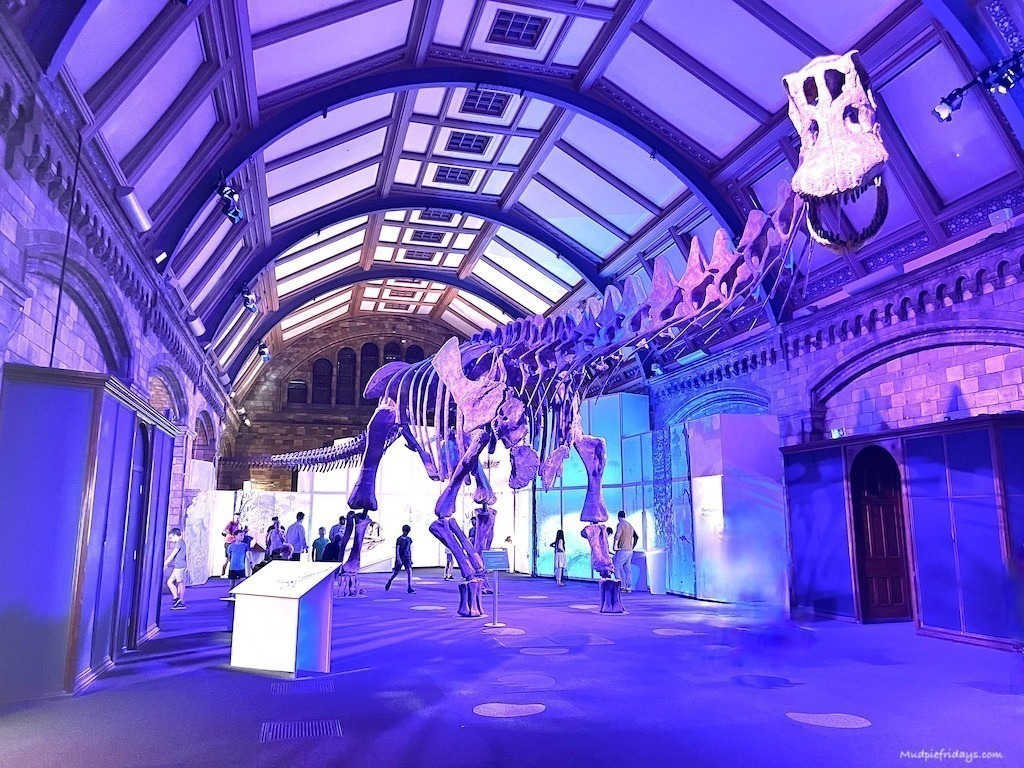
The Natural History Museum in London has long been a fascinating place to visit. We have been taking the boys since a young age and have been lucky enough to pick up a number of their special exhibits over the years. The most recent involves the biggest dinosaur, the new exhibit centres around a 122-foot-long Titanosaur one of the largest known dinosaurs. Roaming the earth over 100 million years ago. The boys have fond memories of the last London dinosaur skeleton, as we use to visit Dippy often. The new Titanosaurus giant dinosaur exhibition opened on the 31st of March and although we had been waiting until our Dinosaur Snores sleepover to visit. If you are planning on visiting the largest dinosaur at the best dinosaur museum in London this is what you need to know.
What is the big dinosaur in the Natural History Museum?
Titanosaurs are a group of herbivorous dinosaurs that lived during the Late Cretaceous period, around 90 to 66 million years ago. They were among the last dinosaurs to roam the Earth before the mass extinction event that wiped out all non-avian dinosaurs.
Titanosaurs were some of the largest land animals that ever lived, with some species reaching lengths of up to 100 feet and weighing as much as 100 tons. They had long necks, small heads, and relatively short tails. Their bodies were supported by four sturdy legs, and they likely moved slowly and deliberately because of the Titanosaur size.
One of the most distinctive features of Titanosaurs was their unique vertebrae, which were hollow and air-filled. This adaptation made their skeletons lighter and more efficient, allowing them to support their massive bodies without being weighed down. In addition, some Titanosaurus had bony plates or spikes on their backs or tails, which may have served as defensive weapons or as a means of regulating body temperature.
Despite their enormous size, Titanosaurs were likely preyed upon by large carnivorous dinosaurs such as Tyrannosaurus Rex. Fossil evidence suggests that some Titanosaurs may have protected themselves by travelling in herds or by laying their eggs in nests that were difficult for predators to access.

How long is Titanosaurus at the Natural History Museum running for?
The temporary display on its European debut is running at London’s Natural History Museum until the 4th of January 2024 in the museum’s Waterhouse Gallery. So there is plenty of time to see the colossal creature for yourself. It is the first time it has been out of the US and showcasing in the dinosaur museum London.
What will you see in the Natural History Museum Titanosaur exhibition?
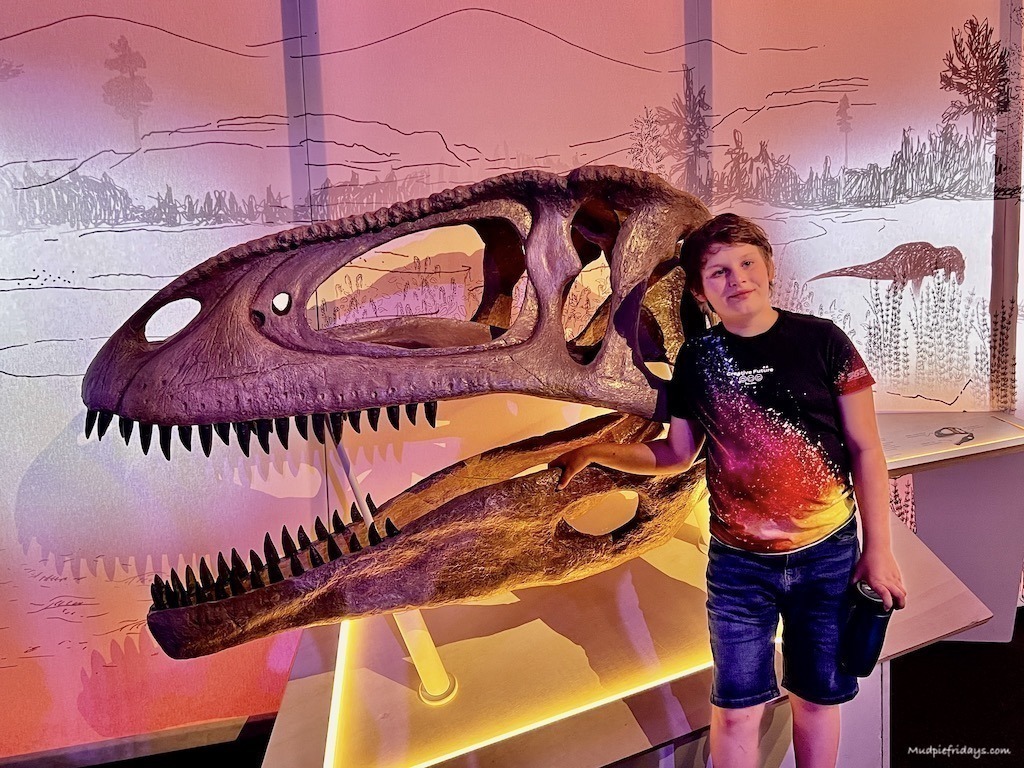
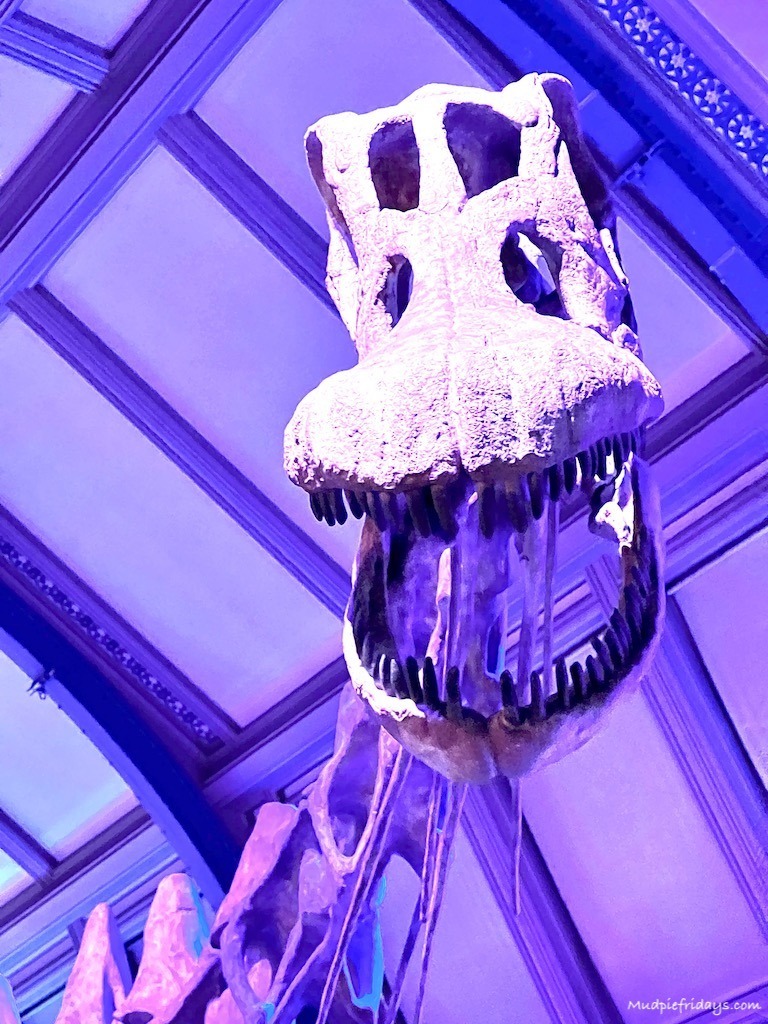
We really weren’t sure what we would see at the awe-inspiring exhibit. Although the Titanosaur Patagotitan Mayorum is at the centre there is a lot more to these large animals. The exhibition starts by explaining the story of how the bones were discovered. And the fact it was in fact six different individuals animals. There are details of the parts that the Argentinian fossil experts have recovered and the parts which they have not. Including the skull which is a best guess of what the unique shape may look like based on the dinosaur’s teeth.
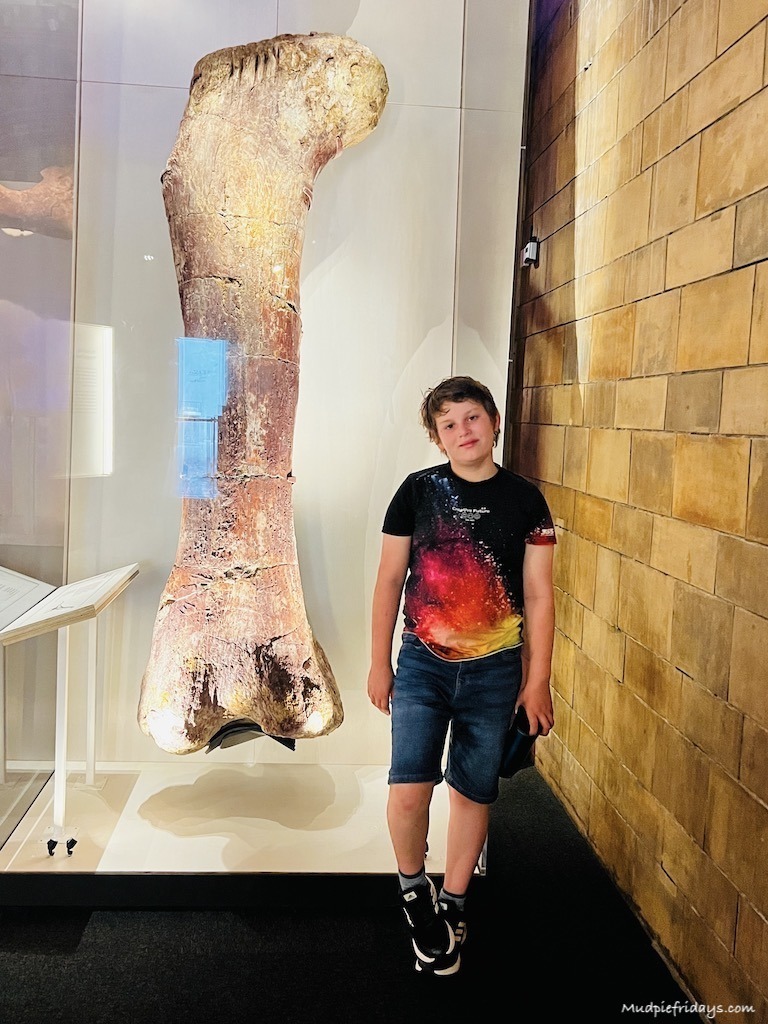
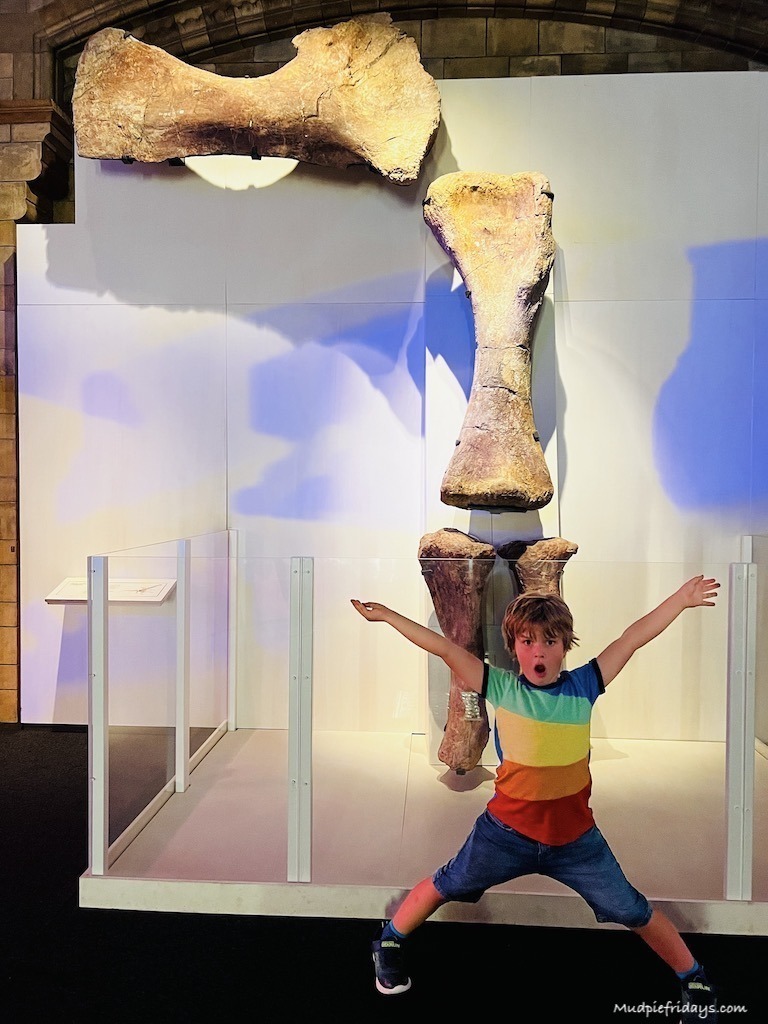
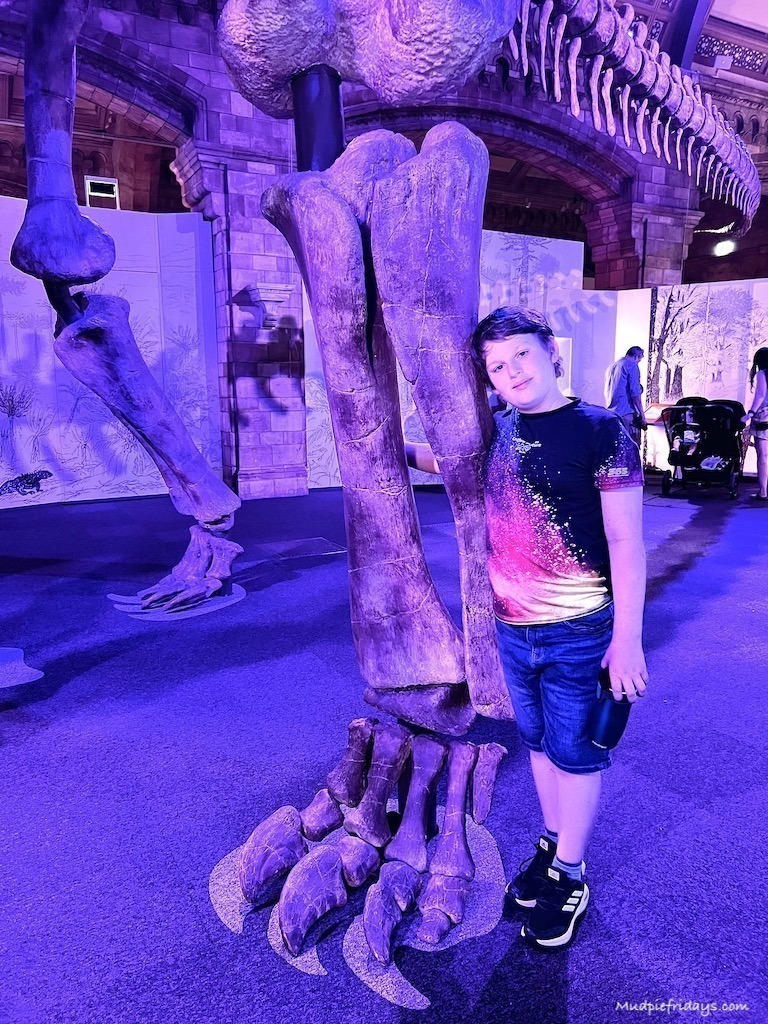
Also near the entrance are a number of fossil bones, which show just how big this dinosaur giant is. The boys had fun measuring themselves up against them at the entrance, especially by the gigantic thigh bone. Or more correctly the eight-foot-long femur. The collection also includes real fossils such as vertebrae and ribs from these plant-eating dinosaur. The fossils provide a unique insight into the biology of the Titanosaurus and are a fascinating addition to the exhibit. The boys were equally fascinated by the football-sized egg which was also on display. Along with many other touchable specimens which always helps with the boys learning,
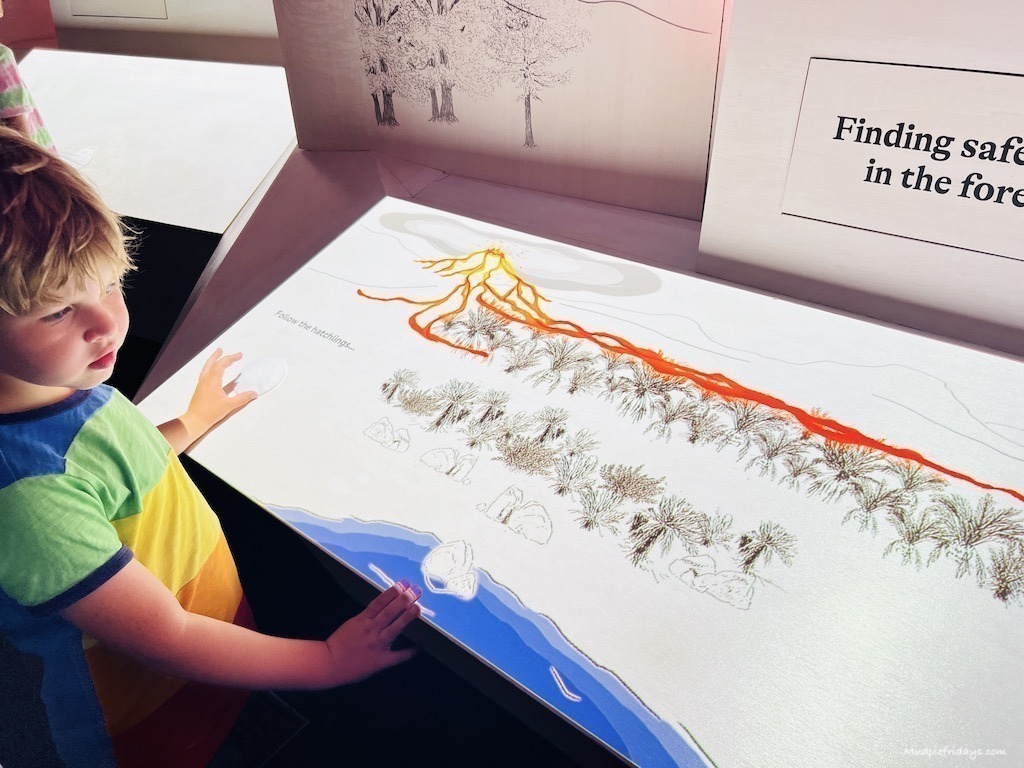
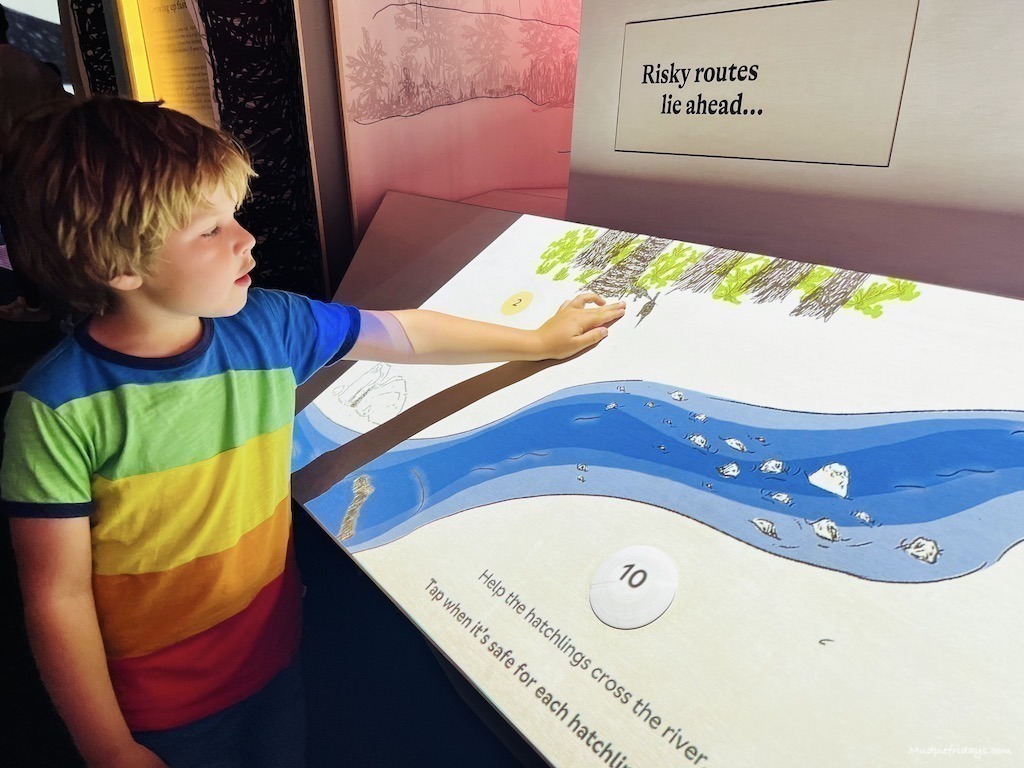
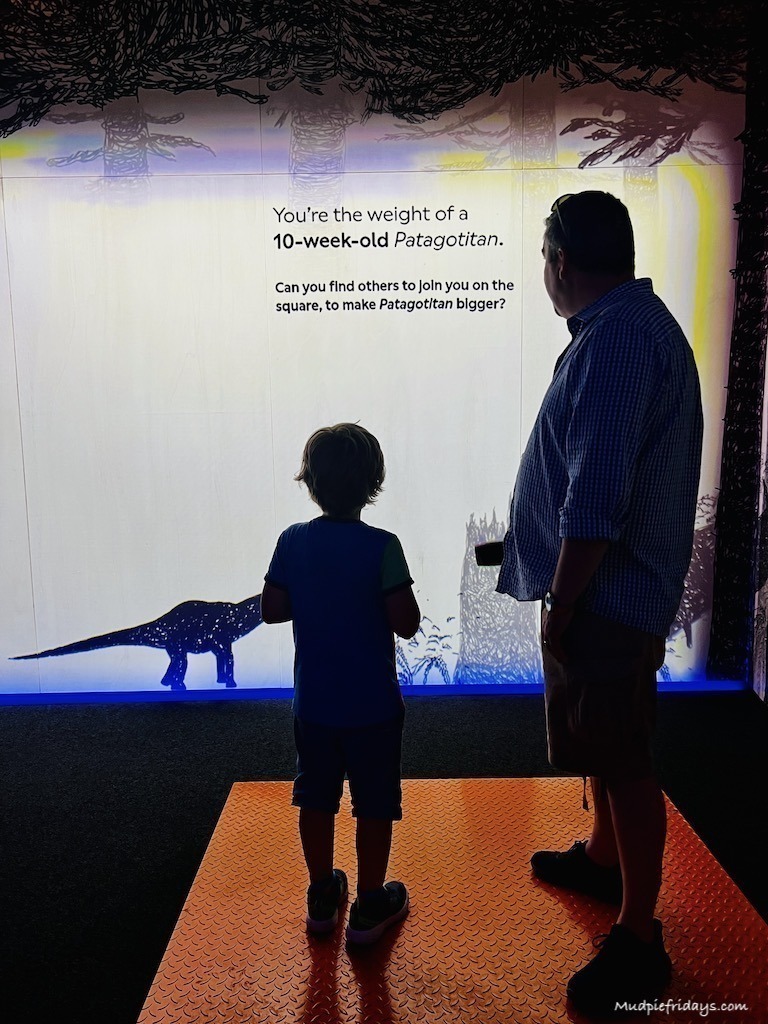
There is also a brilliant interactive exhibitions area where you try to keep the giant herbivore alive. It was a great way of demonstrating just how these vulnerable creatures had to fight against the natural world and habitat loss to survive. You take the baby dinosaurs through a series of screens and try to keep as many alive as possible. We started with 100 and ended with 2 individual animals! Which is still 100% more than the average in the life of a Titanosaur.
Model of the Titanosaurus at the Natural History Museum
In the middle, there is a Titanosaur cast. Although the skeleton cast is not the real thing. You would not know from looking at it. Cast from the bones that were found it gives you a really good perspective on the sheer scale of this creature. You can get up really close and touch (not climb) probably the largest animals that have ever roamed the earth. It’s even bigger than blue whales.
At the end of the exhibition, there is a video, it brings this alive further and relates it back to what children can understand. By explaining the Titanosaur is four times heavier than nine African elephants.
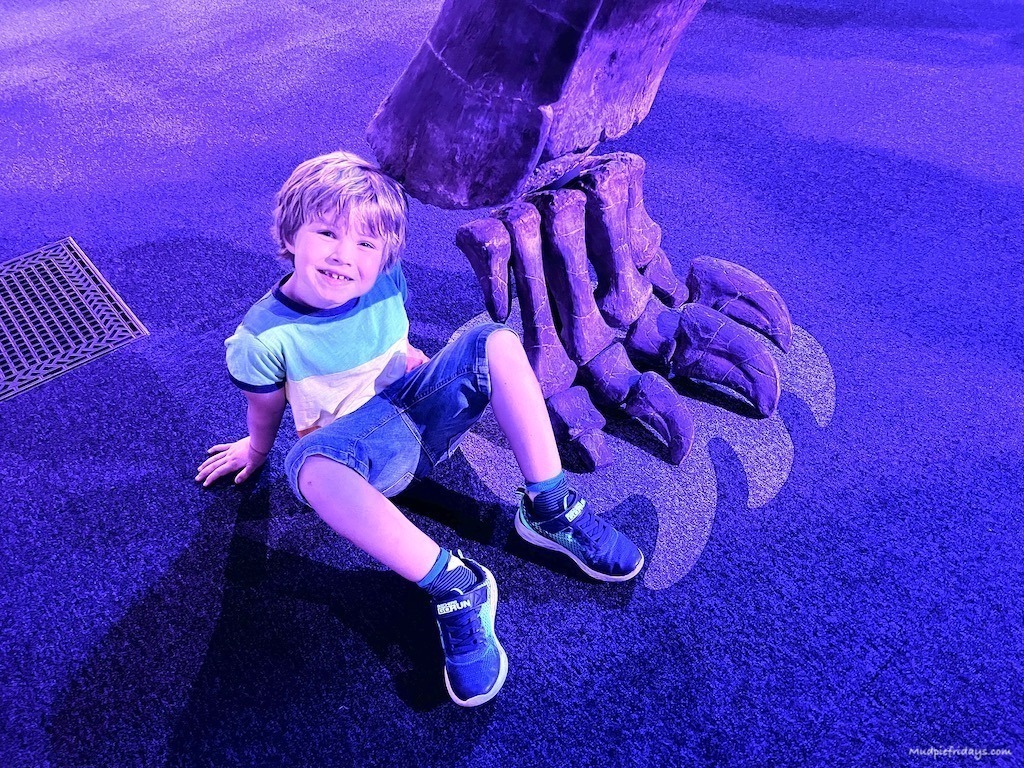
When we visited we managed to book the first tickets of the day at 10 am. It is a very popular exhibit with tickets selling out most days. By getting tickets early we could get some great photos before it got too busy. Walking under the belly of the dinosaur and comparing the size of our feet to those of the biggest animal.
How long do you need in the Titanosaurs exhibition?
We did not rush around and spent time reading all of the different pieces of information. However, we did not have to wait for any of the exhibits because of being one of the first in. Which I think did help how long we spent inside which was around forty minutes. Exit is through the gift shop which does add a bit of time. Although like all these things they are never cheap with stuffed dinosaurs costing around £20.

How much does it cost to see the Titanosaur at the Natural History Museum?
Entrance to the Natural History Museum is free although you can book tickets in advance. To visit the Titanosaurus, book a timed slot via their website. The slots run every fifteen minutes from 10 am through to 4.30 pm. Adult tickets cost £16, children £9 although when booking online you also need to add a donation. A family of four Natural History Museum dinosaur tickets cost £44.
We really enjoyed our visit and the chance to see the new addition to the dinosaur museum in London. Have you visited the Natural History Museum London?
If you are looking for a hotel locally – Family Friendly Hotel near the Natural History Museum.

If you’ve liked this post please follow me on my social media channels:
Mudpie Fridays: Twitter | Instagram | Facebook | Pinterest |LinkedIn
Pin for later – Titanosaur Natural History Museum best Dinosaur Museum London